

Why 90s Action Anime Still Holds Up Today
I was fifteen when I convinced my mom to let me rent the entire Cowboy Bebop series from Blockbuster over winter break. Five dollars per VHS, seven tapes total—I did the math and promised I’d return them on time to avoid late fees. I watched all 26 episodes in three days, rewound my favorite fight sequences, and knew I’d found something special. That bootleg-hunting, tape-trading era of anime discovery felt like being part of a secret club.
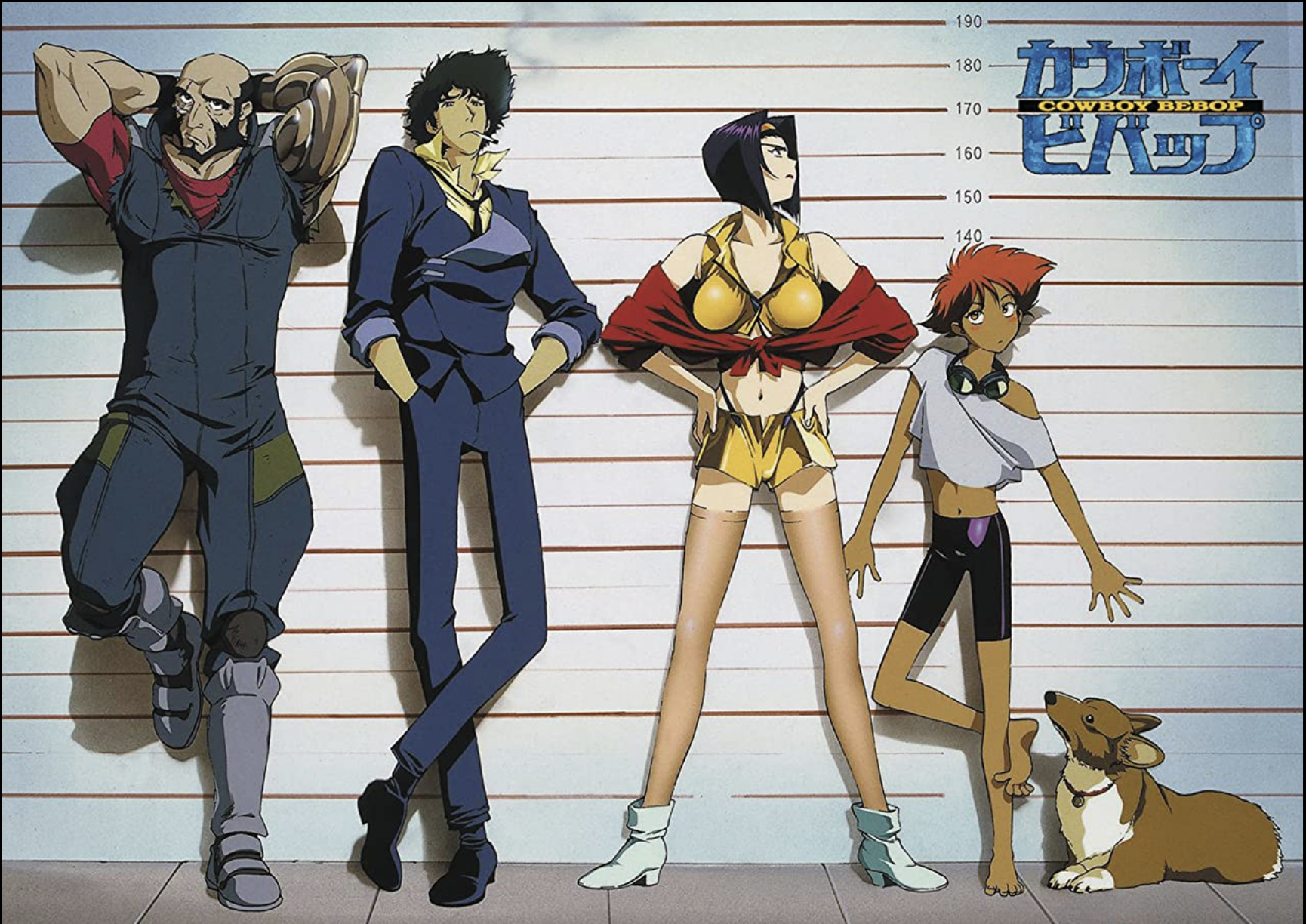
Decades later, 90s action anime still holds up better than most modern shows. The hand-drawn animation, episodic storytelling, and creative ambition from that period created a timeless classic collection that continues to influence the anime industry today. These weren’t just products of their time—they were great anime that transcended their era through genuine craft and vision.
The Hand-Drawn Difference You Can Actually See
There’s this moment in Trigun where Vash the Stampede dodges bullets in slow motion, his red coat billowing frame by frame. Every movement was hand-drawn on animation cels, photographed, and composited. You can see the weight, the texture, the deliberate choices that animators made. Modern digital animation can simulate movement, but it lacks that organic quality that makes action feel genuinely kinetic.

The 1980s and 1990s forced studios to be strategic. When every frame costs money and time, you prioritize what matters. Studios like Sunrise, Madhouse, and Bones (formed by Sunrise veterans) perfected what’s called “limited animation”—using fewer frames but making each one count. The result was top-notch animation that prioritized impact over constant motion. Directors like Hideaki Anno and Satoshi Kon understood that stillness makes movement more powerful.
Why Cel Animation Still Looks Better
Cel animation gives you color depth that digital struggles to replicate. Those hand-painted backgrounds in sci-fi classics like Ghost in the Shell? The way light filters through scenes in samurai anime like Rurouni Kenshin? That’s physical paint on acetate. The warmth and texture of cel-based anime creates a visual signature that immediately distinguishes classic 90s anime from modern productions.
Ghost in the Shell remains a must-watch specifically because of its animation quality. Major Motoko Kusanagi’s movements through the digital world showcase what hand-drawn animation could achieve when given proper budget and talent. The film’s fight sequences and sci-fi cityscapes set standards that anime history still references.
A Golden Age Across Every Genre
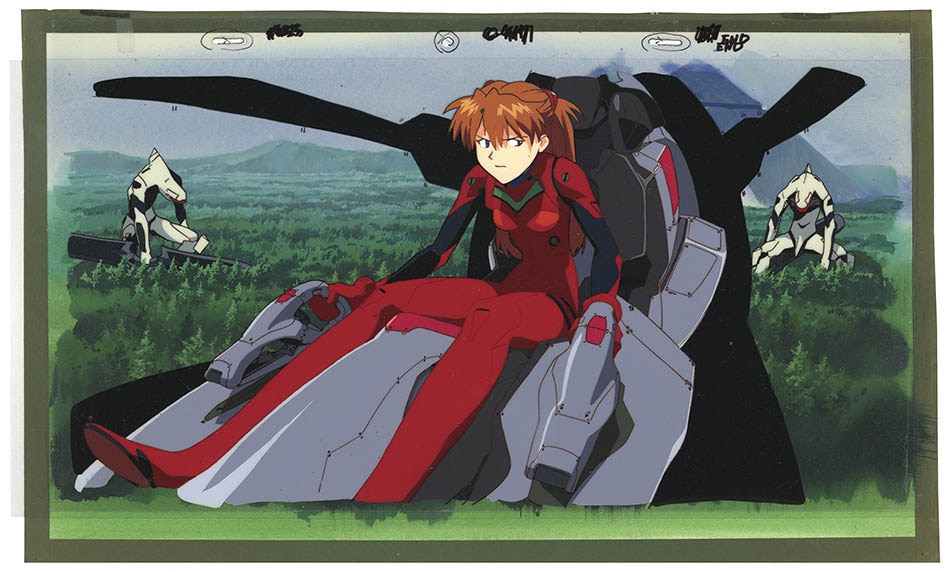
Here’s what made the 90s special—it wasn’t just action anime that thrived. The anime industry produced incredible variety across every genre simultaneously. You had battle shonen like Dragon Ball and Yu Yu Hakusho delivering fast-paced action, while magical girl shows like Sailor Moon and Cardcaptor Sakura gave us complex female protagonists. Mecha anime like Neon Genesis Evangelion and Mobile Suit Gundam Wing redefined what giant robot stories could be.
My favorite anime from that era span completely different genres. Cowboy Bebop brought jazz and noir to sci-fi. Revolutionary Girl Utena deconstructed fairy tale tropes with surreal imagery. Tenchi Muyo mixed comedy with space adventure. Even slice of life shows like Marmalade Boy found audiences. The best 90s anime proved the medium could tell any kind of story well.
When Magical Girl Anime Got Serious
Sailor Moon wasn’t just about Usagi and her friends fighting evil—it dealt with death, sacrifice, and complex relationships. The magical girl genre matured during the 90s, moving beyond simple good and evil narratives. Cardcaptor Sakura added layers of emotional depth while maintaining its core magical girl appeal. These shows respected young teens enough to give them substantial storytelling.
Even shojo anime like Fushigi Yuugi brought real stakes to their stories. Miaka’s journey wasn’t just romance—it was about finding agency in a world that constantly tried to define her. The female protagonist became more nuanced during this period, thanks to shows willing to complicate traditional tropes.
Mecha Anime That Made You Think
Neon Genesis Evangelion changed what mecha anime could be. Hideaki Anno took the “young pilot must save the world” premise and twisted it into psychological horror. Shinji’s struggles with depression and trauma made Evangelion feel uncomfortably human. Production issues during the final episodes somehow made the show more memorable—those abstract sequences became iconic despite (or because of) their constraints.

Other mecha shows took different approaches. Patlabor grounded giant robots in workplace comedy. Mobile Suit Gundam Wing brought political intrigue to the genre. Giant Robo delivered pure spectacle. The variety within just mecha anime showed how creatively ambitious the era was.
Character Design That Actually Matters
Spike Spiegel’s silhouette is instantly recognizable. So is Vash’s red coat, or Yusuke Urameshi’s green uniform. Classic 90s character designs had to be functional, memorable, and cost-effective all at once. You could identify characters from hair alone—which my friends and I definitely did when playing “guess the anime” with screenshots.
Designers understood that characters needed to convey personality immediately while being practical to animate. That’s why so many protagonists wore distinctive outfits that remained consistent. Vash’s coat served narrative purpose—it hid his cybernetic arm. The wandering swordsman aesthetic of Rurouni Kenshin’s Meiji era setting influenced character design across multiple shows. Even Ranma’s cursed form changes were designed for clear visual storytelling.
When Shonen Heroes Actually Looked Different
Battle shonen during the 90s gave us diverse character designs. Compare Yusuke from Yu Yu Hakusho to Goku from Dragon Ball—completely different builds, personalities, and visual signatures. The spirit detective wore street clothes. The Saiyan wore martial arts gi. Digimon’s young teens looked like actual kids, not miniature adults. Each great anime had its own visual identity instead of copying whatever was popular.

Even supporting characters got distinctive designs. Akane from Ranma 1/2 looked nothing like Sakura from Cardcaptor Sakura, who looked nothing like the cast of City Hunter. The anime industry encouraged visual diversity rather than standardizing character templates.
Fight Scenes and Fight Sequences That Still Impress
The Yu Yu Hakusho Dark Tournament arc remains a masterclass in animated combat. Every fight sequence had weight, strategy, and emotional stakes. Yusuke’s battles against supernatural enemies showcased what great action could achieve through hand-drawn animation. The fights told stories—you understood character development through combat choreography.
DBZ made fast-paced action iconic, but it was shows like Cowboy Bebop that perfected fight choreography. The church fight in episode five works because every movement was planned and executed with purpose. Modern anime often relies on speed lines and motion blur. The 90s forced animators to actually draw the combat, which resulted in more memorable fight scenes.
When Action Respected Physics (Mostly)
Even in fantastical settings, 90s action anime maintained some connection to physical reality. Characters got tired during extended fights. Wounds mattered. Gundam pilots couldn’t just shrug off damage. This grounding made the action feel consequential even when the stakes involved saving the world or fighting in the human world against otherworldly threats.
Escaflowne balanced mecha combat with sword fighting, creating hybrid action that respected both genres. The show’s fight sequences mixed giant robot battles with personal duels, all while maintaining consistent rules about what characters could achieve. That internal logic made victories feel earned rather than arbitrary.
Episodic Storytelling Done Right
Cowboy Bebop is 26 episodes. Yu Yu Hakusho is 112 episodes but structured in clear arcs. Even the 76-episode Rurouni Kenshin series told complete stories within its seasonal structure. The episodic format of 90s anime created natural stopping points while building toward larger narratives. You could watch a single episode and feel satisfied, or binge entire arcs and watch character development unfold.
This approach avoided the pacing problems that plague modern anime. There’s no padding, minimal recap sequences, and dialogue that moves scenes forward. Tenchi Muyo episodes averaged twenty-two minutes and told complete stories. The episodic storytelling respected that anime was primarily television—each episode needed to function as entertainment while contributing to the larger whole.
When Slice of Life Mixed With Everything Else
Even action-heavy shows incorporated slice of life elements. The Bebop crew’s mundane struggles with money and food made the show feel grounded. Ranma’s high school comedy balanced martial arts action. The best 90s anime understood that character moments between fights were just as important as the combat itself.
This mixing of genres created shows that defied simple categorization. Was Tenchi Muyo sci-fi, comedy, or romance? Yes. Did Yu Yu Hakusho start as supernatural mystery before becoming battle shonen? Absolutely. The anime industry during this period encouraged experimentation rather than demanding shows fit neat marketing categories.
Avoiding the Modern Tropes and Fan Service Traps
Don’t get me wrong—90s anime had fan service. But it wasn’t the defining feature of every show. Sailor Moon had transformation sequences, but they served narrative purpose. Ghost in the Shell’s Major Kusanagi wore revealing outfits, but the character was treated seriously. The balance felt different than modern anime that often prioritizes fan service over storytelling.
The isekai genre as we know it today barely existed in the 90s. Shows focused on their own unique premises rather than following the same “trapped in another world” template endlessly. Even when anime reused the trope of young heroes fighting evil, each show approached it differently. Revolutionary Girl Utena and Sailor Moon both featured female protagonists fighting for good, but you’d never confuse the two shows.
How to Experience These Classics Today
The good news is classic 90s anime is more accessible now than ever. Most major titles have legitimate streaming options with proper translations. Crunchyroll hosts Cowboy Bebop, Yu Yu Hakusho, and Rurouni Kenshin. Funimation (now merged with Crunchyroll) maintains licenses for Trigun and other 90s classics. Netflix has been adding older titles including Neon Genesis Evangelion with new translations.
If you’re serious about 90s anime, consider tracking down the Blu-ray releases. Studios have been remastering these shows from original film elements. The Cowboy Bebop Blu-ray looks sharper than the show ever did on television. Ghost in the Shell received a 4K restoration that showcases the film’s animation quality in ways VHS never could. Physical media also preserves these shows for the future—streaming licenses expire, but physical collections last forever.
Where to Start With 90s Action Anime
For newcomers, I’d recommend starting with Cowboy Bebop. It’s the most universally accessible and showcases what made the era special—great action, episodic storytelling, memorable characters, and a jazz soundtrack that transcends the medium. From there, branch out based on your interests.
Want battle shonen? Yu Yu Hakusho delivers supernatural combat with actual character development. Prefer mecha? Gundam Wing or Evangelion both offer entry points to giant robot anime. Interested in samurai action? Rurouni Kenshin blends historical Meiji era setting with fantastic swordfighting. Looking for magical girl content? Sailor Moon defined the genre while Cardcaptor Sakura refined it.
The beauty of 90s anime is that most shows are complete. No waiting for future seasons, no unfinished adaptations. Cowboy Bebop is 26 episodes plus an animated movie. Trigun is 26 episodes. You start at episode one, watch through to the end, you’re done. This makes the era perfect for binge-watching or casual viewing.
Why 90s Action Anime Remains a Timeless Classic
I’m not saying modern anime is bad or that the 90s were some perfect golden age. But 90s action anime represented a specific moment when technology, talent, and industry conditions aligned to create something remarkable. Hand-drawn animation required skill and planning. Limited budgets forced creative problem-solving. The lack of established formulas encouraged experimentation.
More importantly, these shows still work emotionally. Spike’s final walk remains devastating. Vash’s pacifist philosophy stays relevant. Yusuke’s growth from delinquent to hero resonates. The themes these great anime explored—loneliness, redemption, finding family among outcasts, confronting your past, the struggle between good and evil—are genuinely timeless.
The anime industry has evolved since the 90s, often for the better. We have more anime available legally than ever before. Production values have improved in many areas. But something was lost too—that willingness to take risks, that commitment to hand-crafted animation, that confidence to tell complete stories without worrying about merchandise or multi-season plans.
That’s why I keep returning to 90s action anime. Not out of nostalgia, but because these shows are genuinely excellent. They hold up because they were built to last, not to capitalize on temporary trends. Whether you watched them on VHS in the 90s or discovered them on streaming services yesterday, they work. And that’s worth celebrating.
You Might Also Like
Best Japanese Sega Dreamcast Games to Import
The Sega Dreamcast died too soon in North America, but in Japan? It kept going strong for another two years, giving us some of the most unique Sega Dreamcast games in the console’s library. I bought my Dreamcast with money from my first part-time job at 16, and I’ve been collecting the best Japanese Dreamcast imports ever since. The best part? The Dreamcast is region-free for most games, so you can play import games without any mods.
The best Japanese Dreamcast imports include shooters like Border Down and Ikaruga, unique exclusives like Segagaga and Napple Tale, and budget-friendly gems that were only available in Japan. Most of these Japanese Dreamcast imports cost $20-$60, making them more affordable than rare US releases. You don’t need knowledge of Japanese for many of these—arcade games, fighting games, and puzzle games work perfectly without translation.
Why the Best Japanese Dreamcast Imports Are Worth Your Money
The Sega Dreamcast has one massive advantage over the Sega Saturn and other retro consoles: it’s mostly region-free. Pop in a Japanese game, and it’ll run without any modifications. No region switches, no mod chips, nothing. Sega designed it this way intentionally, which is why the import scene exploded for this console.
Japan got an extra two years of games released after the US version died in 2001. That means tons of Japanese exclusive titles, especially in genres like shoot-em-ups, visual novels, RPGs, and weird experimental games that would never sell in the West. My cousin in Osaka sent me a copy of Rent A Hero No. 1 back in 2002, and I had no idea what I was doing half the time, but the combat system was so fun I didn’t care.
Here’s the deal: importing the best Japanese Dreamcast imports makes financial sense. A complete-in-box copy of Mars Matrix costs $200+ in the US version. The Japanese version? Around $80. Same game, same excellent shoot-em-up gameplay, just with a different spine card and manual you can’t read anyway. The majority of games released in Japan are significantly cheaper than their Western counterparts.
Budget-Friendly Japanese Dreamcast Imports
Rent A Hero No. 1 – Unique Action RPG
This action-RPG hybrid is one of the weirdest games Sega ever made, and it’s a Japanese exclusive that never left Japan. You play as a regular teenager who gets a superhero suit delivered by mistake, then you rent yourself out as a hero-for-hire. The combat action is surprisingly deep—think a simplified Virtua Fighter mixed with RPG progression and strategy game elements. You don’t need much Japanese to play it since the combat is intuitive and quest markers guide you.
Rent A Hero No. 1 runs about $25-$35 complete, which is a steal for how unique it is. I spent hours just wandering the city, taking random hero jobs, and upgrading my suit. The game’s got this satirical edge to it that still feels fresh today.
Bangai-O
Before Treasure made Ikaruga famous, Treasure’s first Dreamcast game was Bangai-O—a chaotic multidirectional mecha shooter where you pilot a robot and fire hundreds of missiles at once. It’s pure arcade madness with puzzle game elements thrown in. The gameplay doesn’t require Japanese knowledge at all. Point, shoot, explode everything on screen.
Japanese copies go for $20-$30, while the N64 version costs significantly more. The Dreamcast version has better graphics and runs smoother, so there’s no reason to skip it. Just prepare for sensory overload—this game throws so much at you simultaneously that screenshots don’t do it justice.
Trigger Heart Exelica
This vertical shooter came out in 2007—six years after the Dreamcast officially died in the US. It’s got a unique anchor system where you grab enemies and fling them at other enemies. The gameplay loop is addictive, and like all good shmups available in Japan, it’s entirely playable without understanding Japanese menus.
Trigger Heart Exelica costs around $30-$40, which is reasonable considering it’s one of the last commercial games released for the console. The game looks gorgeous too, with detailed sprite work and smooth scrolling that shows what the system could do even in its final years.
Best Japanese Dreamcast Imports Worth the Investment
Border Down
This horizontal shooter from G.rev is what happens when developers really understand the Sega Dreamcast hardware. The game features a unique three-route system where dying doesn’t end your run—it just pushes you to an easier route with different level layouts. It’s brilliant design that keeps you engaged even when you’re struggling.
Border Down runs $60-$80 complete, and it’s worth every penny if you’re into shooters. The techno soundtrack alone justifies the price. I remember playing this on a CRT at 2 AM during college with VGA output, and the game just locked me in with its flow. It’s one of those Japanese Dreamcast imports I point to when people ask why the import scene matters.
Psyvariar 2: The Will to Fabricate
The “buzz” system in Psyvariar 2 is one of the coolest mechanics in any shooter—you gain power by grazing bullets as closely as possible without getting hit. It turns the entire game into a risk-reward calculation where you’re actively seeking danger instead of avoiding it. The game has minimal text, so language isn’t a barrier for this arcade-style game.
Expect to pay $50-$70 for Psyvariar 2. It’s not the rarest import, but demand stays steady because the gameplay holds up. The Dreamcast version also includes both Psyvariar and Psyvariar 2 on one disc, which adds value. If you’re building a shooter collection, this is one of the best Japanese Dreamcast imports you can buy.
Zero Gunner 2
Zero Gunner 2 is a helicopter shooter with a rotating mechanic that lets you aim in any direction while moving. The arcade feel is incredibly strong—this port of the arcade game captures everything that made the original release special. It’s one of those Psikyo shooters that demands precision but rewards mastery.
Zero Gunner 2 costs $50-$70 complete, and it’s absolutely worth it. The game supports VGA output for crystal-clear visuals, and the game modes offer enough variety to keep you coming back. I bought this one at a convention for $55, and it’s become one of my most-played imports.
Premium Japanese Dreamcast Imports for Serious Collectors
Segagaga – The Ultimate Sega Meta Game
This is the most “Sega” game Sega ever made—a satirical RPG where you play as a Sega employee trying to save the company from bankruptcy. It’s filled with references to Sega’s history, their failures, their successes, and their weird internal culture. The game literally breaks the fourth wall constantly and pokes fun at Sega’s business decisions.
Segagaga is text-heavy, so you’ll need Japanese skills or a translation guide to appreciate it fully. That said, it’s a piece of gaming history. Prices range from $120-$200 depending on condition, and it’s only going up. I don’t own this one yet—it’s on my “someday when I have extra money” list. But if you’re a Sega historian, this is the holy grail of Japanese Dreamcast imports.
Napple Tale: Arsia in Daydream
Designed by Yoko Shimomura (Kingdom Hearts composer) and directed by Chihiro Fujioka, Napple Tale is a whimsical platform game with one of the most unique art styles on the Dreamcast. Everything looks hand-drawn and watercolored. The soundtrack is equally gorgeous—Shimomura’s work here rivals her later Kingdom Hearts music.
Napple Tale costs $100-$150, and it’s legitimately rare. The game sold poorly even in Japan because it came out in 2000 when the console was already struggling. It’s playable without Japanese, but you’ll miss story context. I played through a friend’s copy once, and even without understanding the dialogue, the atmosphere and platforming kept me hooked.
Ikaruga – The Legendary Treasure Shooter
While Ikaruga eventually got released in Europe and North America, the first game appeared in Japan first, and the Japanese version remains cheaper. This polarity-switching shooter from Treasure is one of the best games on any console. You swap between black and white modes to absorb matching bullets and deal extra damage to opposite-colored enemies.
The Japanese version of Ikaruga runs $80-$100, while US copies approach $150-$200. Same gameplay, same incredible bullet patterns, just cheaper. It’s one of those games where the original release in the Japanese market makes more financial sense for collectors on a budget.
Fighting Game Japanese Dreamcast Imports Worth Buying
Vampire Chronicles for Matching Service (Darkstalkers)
This Capcom fighting game is the definitive version of Darkstalkers, combining characters and game modes from the entire series. Vampire Chronicles (known as Darkstalkers in the West) never got a Dreamcast release outside Japan. The 2D fighting game mechanics are flawless, with gorgeous sprite work and smooth animation that showcases what the Dreamcast could do.
Vampire Chronicles costs $40-$60, and it’s one of the best Capcom fighters you can get for the system. You don’t need Japanese to enjoy the combat—it’s all about execution and mind games. I picked this up specifically because I loved Darkstalkers 3 in arcades, and having all the characters in one game is incredible.
Guilty Gear X
The Japanese version of Guilty Gear X came out earlier than the US release and includes some balance differences. If you’re into competitive play or just want the original version, it’s worth grabbing. Fighting games are perfect imports since you don’t need to read anything—the moves work the same regardless of menu language.
Japanese Guilty Gear X runs $25-$35, sometimes cheaper than the US version depending on market conditions. The game holds up incredibly well, with Arc System Works’ signature sprite work looking gorgeous on Dreamcast. I still prefer playing this on original hardware over emulation because the input lag is non-existent.
Capcom vs. SNK 2: Mark of the Millennium
While this fighting game did get a US release, the Japanese version came first and includes slightly different game modes. This crossover brings together Capcom’s Street Fighter characters with SNK’s Fatal Fury and Samurai Shodown fighters. The 2D fighting games don’t get much better than this—48 characters, multiple groove systems, and perfect arcade feel.
The Japanese version runs $30-$45, similar to US pricing. But if you’re collecting SNK fighters or Capcom games, having the Japanese original release feels right. The game supports VGA output for crisp visuals, and the netplay was ahead of its time for 2001.
Garou: Mark of the Wolves
This SNK fighting game is the final entry in the Fatal Fury series and one of the most technically impressive 2D fighting games ever made. The just-defend mechanic adds depth, and the sprite work is absolutely stunning. Garou never got released in Europe or North America on Dreamcast—it’s a Japanese exclusive.
Garou costs $50-$70 complete, and it’s worth every dollar. SNK’s final Fatal Fury game showcases everything they learned about fighting game design. The game also released on Neo Geo, but the Dreamcast port is much more affordable and includes training modes the arcade version lacked.
Shooter Japanese Dreamcast Imports That Don’t Need Translation
Radirgy
Radirgy (pronounced “radiology”) is a cute-em-up with a cel-shaded art style that was way ahead of its time. The game has an absorption shield that converts bullets into power-ups, similar to other G.rev shooters. It’s accessible for shooter newcomers but has enough depth for veterans to chase high scores.
You’ll find Radirgy for $35-$50. It’s cheaper than Border Down but shares a similar gameplay philosophy. The game’s visual style makes it stand out in a sea of serious military-themed shooters. I appreciate that it doesn’t take itself too seriously while still offering tight mechanics.
Under Defeat
Released in 2006, Under Defeat is a vertical helicopter mech shooter with a unique rotation mechanic—your helicopter aims where you last moved, creating interesting strategic choices about positioning. The game has excellent production values and that arcade feel that makes you want to pump in more quarters even though you’re playing at home.
Under Defeat costs $50-$70 for the standard edition, with deluxe editions running higher. It later got HD ports on PlayStation and Xbox, but the Dreamcast original has a charm those remasters can’t replicate. The game’s not as punishingly hard as some other Japanese Dreamcast imports, making it a solid entry point if you’re new to shmups.
Giga Wing 2
This Capcom shooter is pure bullet hell madness with a reflect barrier that turns enemy fire into your own attacks. The scoring system goes into the billions, and the arcade game’s over-the-top action translates perfectly to Dreamcast. It’s one of those games where screenshots look impossible until you actually play it and understand the mechanics.
Giga Wing 2 runs $35-$50, making it one of the more affordable Capcom shooters. The game supports VGA output and looks phenomenal in progressive scan. I remember the first time I saw the bullet patterns in this game—my brain couldn’t process what was happening. Once you learn the reflect timing, it clicks.
RPG and Strategy Game Imports for Japanese Dreamcast
Shining Force III: Scenarios 2 and 3
The US only got the first game in this tactical RPG trilogy. Japan got all three scenarios released separately. Shining Force III continues the story with new characters, mecha battles, and strategic depth. You’ll need Japanese skills for this one since it’s text-heavy, but the strategy game mechanics are phenomenal.
Scenarios 2 and 3 each cost $40-$80 depending on condition. Fan translation patches exist through the homebrew community, making these playable in English with a burned disc. The Shining Force series was always stronger on Sega Saturn and Dreamcast than it was on Genesis.
Lack of Love (L.O.L.)
This experimental game from the creator of Rez puts you in control of an evolving creature exploring an alien world. There’s no dialogue, no UI, just pure exploration and evolution. It’s one of those artistic games that Japan never exported because Western publishers didn’t know how to market it.
Lack of Love costs $30-$50, and it’s a fascinating experience. The game also works without Japanese knowledge since communication happens through actions and sounds, not text. I played this right after finishing Rez and appreciated how both games pushed the Dreamcast in experimental directions.
Rhythm Game and Music Imports
Cool Cool Toon
This rhythm game features cel-shaded graphics and funky Japanese music. You press directional inputs in time with on-screen prompts, similar to PaRappa the Rapper but with more complexity. Cool Cool Toon is entirely playable without Japanese—rhythm timing is universal.
Cool Cool Toon runs $30-$45, and it’s one of the most unique rhythm games on the system. The art style has this early-2000s energy that reminds me of Jet Set Radio without being a direct copy. I bought it on a whim and ended up playing it way more than expected.
Rez
While Rez got a US release, the Japanese version came first and is often cheaper. This on-rails shooter/rhythm game hybrid from the creators of Space Channel 5 is a synesthetic experience. Every shot, every enemy explosion creates music, turning gameplay into a collaborative soundtrack.
The Japanese version costs $40-$60, compared to $80+ for US copies. Rez is one of those games that defines the Dreamcast library—experimental, artistic, and impossible to describe without playing it. The game later got HD rereleases and VR ports, but the original Dreamcast version has historical significance.
Platform Game and Action Imports
Rainbow Cotton
This 3D platform game puts you on a flying broomstick shooting enemies while navigating colorful worlds. Rainbow Cotton is the black sheep of the Cotton series—most are 2D shooters, but this one experimented with 3D gameplay. It’s janky in places but charming, and it’s a Japanese exclusive that never made it West.
Rainbow Cotton costs $40-$60. The game is playable without Japanese since it’s action-focused, though you’ll miss story context. I appreciate games like this that took risks with established franchises, even if execution wasn’t perfect.
Fighting Vipers 2
This Sega 3D fighting game is the sequel to the Saturn’s Fighting Vipers, adding destructible armor and wall-breaking mechanics. It’s faster and more aggressive than Virtua Fighter, encouraging constant offense. Fighting Vipers 2 released in Japan only—the US never got it.
Fighting Vipers 2 runs $25-$35, making it an affordable fighting game import. The gameplay holds up surprisingly well, and the character roster is memorably weird. I played the first game on Saturn in Japan during a family trip, so finding the sequel years later felt like completing unfinished business.
Obscure Gems and Curiosities
Gundam: Federation vs. Zeon
This Capcom-developed mecha fighter lets you pilot mobile suits from the original Gundam series. Gundam games rarely came West in the 2000s, so this Japanese exclusive was the only way to experience giant robot combat on Dreamcast. The game balances arcade action with enough complexity to satisfy mecha fans.
Gundam: Federation vs. Zeon costs $30-$50. You don’t need Japanese to enjoy blowing up other mechs, though mission briefings will be incomprehensible. The game later spawned the entire Gundam Vs. series that’s still going today. This is where it started.
Godzilla Generations
Okay, this game is bad. Like, genuinely terrible. But it’s a Godzilla game for Dreamcast, and sometimes you need that in your collection. You stomp through cities as various kaiju, destroying buildings in repetitive missions. Godzilla Generations is more novelty than quality, but for $15-$25, it’s a fun curiosity piece.
Plasma Sword: Nightmare of Bilstein
This Capcom 3D weapon fighter is Star Gladiator’s sequel, and it never got a US Dreamcast release. The game plays like a faster Soul Calibur with sci-fi weapons and flashy special moves. It’s pure arcade fun with smooth netcode for the Dreamcast’s online play (if you’ve got a working modem and server emulation set up).
Plasma Sword goes for $20-$30, making it one of the better fighting game values among Japanese Dreamcast imports. The character roster is weird and creative, with designs that feel very late-90s Capcom. I played this at an arcade in Osaka once, and finding the Dreamcast port years later felt like rediscovering a lost memory.
Where to Buy the Best Japanese Dreamcast Imports
eBay is the obvious choice, but you’ll pay premium prices and deal with inconsistent sellers. I’ve had better luck with Japanese retro game stores that ship internationally. Mandarake, Surugaya, and Book-Off have online storefronts with reasonable shipping costs. Prices are usually better than eBay, and the condition accuracy is more reliable.
If you’re buying on eBay, look for sellers in Japan with high feedback ratings. Pay attention to condition descriptions—”acceptable” in Japan often means “good” by US standards because their grading is stricter. I learned this the hard way after passing on “acceptable” listings that were probably fine.
Import shipping costs have gone up significantly in the past few years. Budget $15-$25 for shipping from Japan, more if you’re buying multiple Dreamcast games at once. The good news is that Dreamcast games are light, so shipping costs less than importing PlayStation 2 or Sega Saturn games. I usually wait until I have 3-4 games I want to order, then buy them all at once to split shipping costs.
Check PriceCharting for fair market values before buying any Japanese Dreamcast imports. Import prices fluctuate based on yen exchange rates and US collector demand. Sometimes the Japanese version is cheaper, sometimes the US version is—it varies by title. Don’t assume imports are always the budget option without checking first.
Do You Need Japanese Language Skills for Dreamcast Imports?
For shooters, fighting games, puzzle games, and most arcade-style titles? Nope. These genres are designed around gameplay, not story. You might miss some menu options initially, but Dreamcast game menus are usually visual enough to figure out through trial and error when you play import games.
For RPGs, visual novels, strategy games, and adventure games? Yeah, you’ll need Japanese or a translation guide. Segagaga and Rent A Hero No. 1 fall into this category. Fan translation guides exist for some games, and the homebrew community has created English patches for others. Check Dreamcast-Talk forums for patch availability.
I played through Bangai-O without understanding a single menu, and it didn’t hurt my experience. The game taught me through gameplay, not text. That’s the beauty of good arcade game design—mechanics communicate without words. If you’re worried about language barriers, stick to action-focused Japanese Dreamcast imports first.
Technical Details for Playing Japanese Dreamcast Imports
Most Japanese Dreamcast imports work on US consoles without modification, but a few have region checks. Titles like Moero! Justice Gakuen and Sakura Wars require boot discs or region mods to play. Before buying expensive imports, verify they’re region-free so you can play import games without hassle.
Japanese Dreamcast games use NTSC video output just like US games, so they’ll work on US TVs without issues. This isn’t like importing PAL European games that run at different frequencies. Plug and play is the standard experience for most Japanese Dreamcast imports. Many games support VGA output for even better visual quality on compatible displays.
Save compatibility is weird. Some games share save files between regions, others don’t. If you own both US and Japanese versions of a game (like Ikaruga or Street Fighter III), your saves might not transfer. It’s game-dependent, and there’s no consistent rule. I learned this when my Japanese Ikaruga save didn’t carry over to the US version I bought later.
Building Your Collection of Japanese Dreamcast Imports
Start with shooters—they’re the strongest genre in the Dreamcast import library released in Japan, and most are region-free. Border Down, Radirgy, and Trigger Heart Exelica give you three different shooter styles without breaking the bank entirely. That’s $100-$150 total for three excellent games.
Avoid buying imports just because they’re imports. I made this mistake early on, grabbing every Japanese-exclusive game I could find, and I ended up with stuff I never played. Buy games you’ll actually enjoy, not just to fill shelf space. The novelty of Japanese packaging wears off fast if the game sucks.
Watch for bundle deals on Japanese auction sites like Yahoo! Japan Auctions (through a proxy service like Buyee). Sometimes sellers offload entire collections, and you can score 5-10 games for the price of 3-4 individually. I got Bangai-O, Radirgy, Zero Gunner 2, and three other shooters in one lot for $80 total back in 2018.
Don’t sleep on reproduction spine cards if you care about shelf aesthetics. The Japanese Dreamcast used spine cards instead of printed spines, and replacements are easy to find online. I’ve replaced several water-damaged spine cards for $3-$5 each, making my collection look way better on display.
Why the Best Japanese Dreamcast Imports Matter
The Dreamcast import scene is one of the best-kept secrets in retro gaming. You get access to two extra years of releases, region-free playability, and often better prices than rare US versions. The best Japanese Dreamcast imports include shooters like Border Down and Ikaruga, weird exclusives like Rent A Hero No. 1, and late-life releases like Trigger Heart Exelica that pushed the hardware to its limits.
I’ve been collecting Japanese Dreamcast imports for over 20 years now, and it’s still one of my favorite parts of retro gaming. The console died too soon in the West, but Japan kept the dream alive long enough to give us some genuinely special games. If you’ve got a Sega Dreamcast collecting dust, pop in a Japanese game and see what you’ve been missing.
Start with budget-friendly options like Bangai-O or Guilty Gear X, then work your way up to premium imports once you’re hooked. The best Japanese Dreamcast imports don’t require fluent Japanese—just a willingness to experiment and appreciate what made Sega’s final console special in the first place.
You Might Also Like
- Best Sega Saturn Games Under $50
- Retro Consoles You Can Actually Afford
- Sega Saturn Twin Stick Controller
- Building a SEGA Arcade-Themed Gaming Setup
- Nostalgic Video Games: Revisiting Classic Titles
- Why Chrono Trigger on SNES Still Matters
- Classic Arcade Games List
- 90s Anime That Defined a Generation