
Why 90s Action Anime Still Holds Up Today
I was fifteen when I convinced my mom to let me rent the entire Cowboy Bebop series from Blockbuster over winter break. Five dollars per VHS, seven tapes total—I did the math and promised I’d return them on time to avoid late fees. I watched all 26 episodes in three days, rewound my favorite fight sequences, and knew I’d found something special. That bootleg-hunting, tape-trading era of anime discovery felt like being part of a secret club.
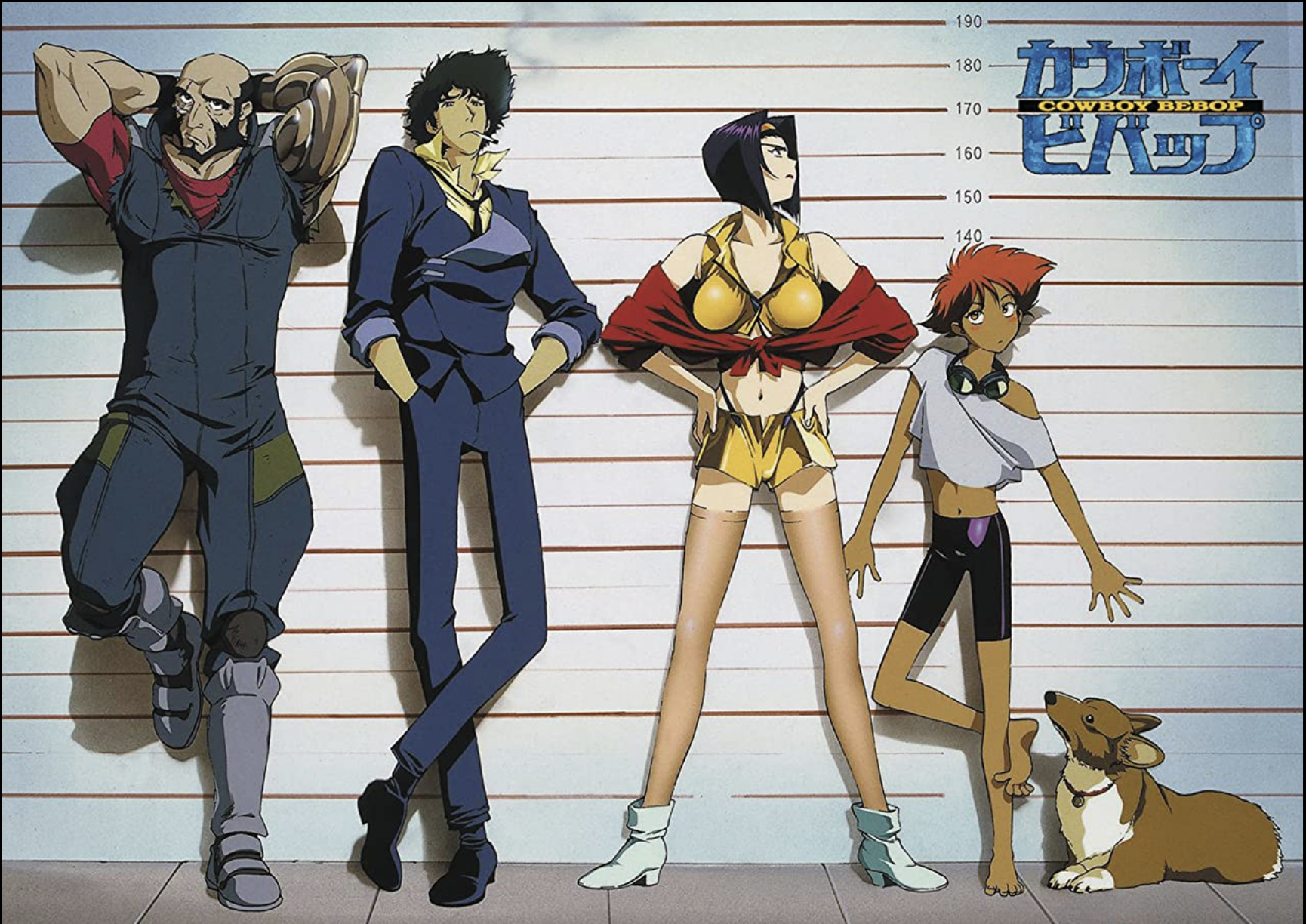
Decades later, 90s action anime still holds up better than most modern shows. The hand-drawn animation, episodic storytelling, and creative ambition from that period created a timeless classic collection that continues to influence the anime industry today. These weren’t just products of their time—they were great anime that transcended their era through genuine craft and vision.
The Hand-Drawn Difference You Can Actually See
There’s this moment in Trigun where Vash the Stampede dodges bullets in slow motion, his red coat billowing frame by frame. Every movement was hand-drawn on animation cels, photographed, and composited. You can see the weight, the texture, the deliberate choices that animators made. Modern digital animation can simulate movement, but it lacks that organic quality that makes action feel genuinely kinetic.

The 1980s and 1990s forced studios to be strategic. When every frame costs money and time, you prioritize what matters. Studios like Sunrise, Madhouse, and Bones (formed by Sunrise veterans) perfected what’s called “limited animation”—using fewer frames but making each one count. The result was top-notch animation that prioritized impact over constant motion. Directors like Hideaki Anno and Satoshi Kon understood that stillness makes movement more powerful.
Why Cel Animation Still Looks Better
Cel animation gives you color depth that digital struggles to replicate. Those hand-painted backgrounds in sci-fi classics like Ghost in the Shell? The way light filters through scenes in samurai anime like Rurouni Kenshin? That’s physical paint on acetate. The warmth and texture of cel-based anime creates a visual signature that immediately distinguishes classic 90s anime from modern productions.
Ghost in the Shell remains a must-watch specifically because of its animation quality. Major Motoko Kusanagi’s movements through the digital world showcase what hand-drawn animation could achieve when given proper budget and talent. The film’s fight sequences and sci-fi cityscapes set standards that anime history still references.
A Golden Age Across Every Genre
Here’s what made the 90s special—it wasn’t just action anime that thrived. The anime industry produced incredible variety across every genre simultaneously. You had battle shonen like Dragon Ball and Yu Yu Hakusho delivering fast-paced action, while magical girl shows like Sailor Moon and Cardcaptor Sakura gave us complex female protagonists. Mecha anime like Neon Genesis Evangelion and Mobile Suit Gundam Wing redefined what giant robot stories could be.
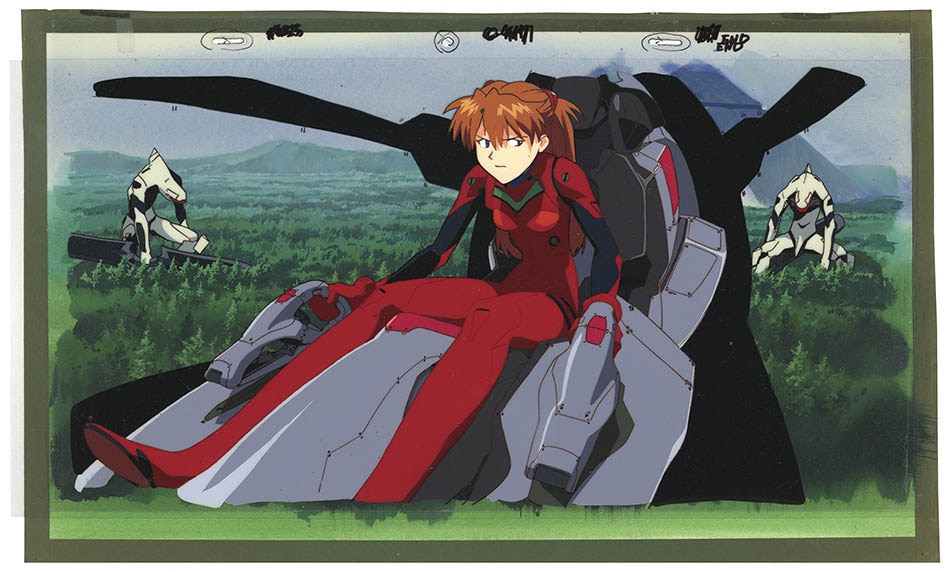
My favorite anime from that era span completely different genres. Cowboy Bebop brought jazz and noir to sci-fi. Revolutionary Girl Utena deconstructed fairy tale tropes with surreal imagery. Tenchi Muyo mixed comedy with space adventure. Even slice of life shows like Marmalade Boy found audiences. The best 90s anime proved the medium could tell any kind of story well.
When Magical Girl Anime Got Serious
Sailor Moon wasn’t just about Usagi and her friends fighting evil—it dealt with death, sacrifice, and complex relationships. The magical girl genre matured during the 90s, moving beyond simple good and evil narratives. Cardcaptor Sakura added layers of emotional depth while maintaining its core magical girl appeal. These shows respected young teens enough to give them substantial storytelling.
Even shojo anime like Fushigi Yuugi brought real stakes to their stories. Miaka’s journey wasn’t just romance—it was about finding agency in a world that constantly tried to define her. The female protagonist became more nuanced during this period, thanks to shows willing to complicate traditional tropes.
Mecha Anime That Made You Think
Neon Genesis Evangelion changed what mecha anime could be. Hideaki Anno took the “young pilot must save the world” premise and twisted it into psychological horror. Shinji’s struggles with depression and trauma made Evangelion feel uncomfortably human. Production issues during the final episodes somehow made the show more memorable—those abstract sequences became iconic despite (or because of) their constraints.

Other mecha shows took different approaches. Patlabor grounded giant robots in workplace comedy. Mobile Suit Gundam Wing brought political intrigue to the genre. Giant Robo delivered pure spectacle. The variety within just mecha anime showed how creatively ambitious the era was.
Character Design That Actually Matters
Spike Spiegel’s silhouette is instantly recognizable. So is Vash’s red coat, or Yusuke Urameshi’s green uniform. Classic 90s character designs had to be functional, memorable, and cost-effective all at once. You could identify characters from hair alone—which my friends and I definitely did when playing “guess the anime” with screenshots.
Designers understood that characters needed to convey personality immediately while being practical to animate. That’s why so many protagonists wore distinctive outfits that remained consistent. Vash’s coat served narrative purpose—it hid his cybernetic arm. The wandering swordsman aesthetic of Rurouni Kenshin’s Meiji era setting influenced character design across multiple shows. Even Ranma’s cursed form changes were designed for clear visual storytelling.
When Shonen Heroes Actually Looked Different
Battle shonen during the 90s gave us diverse character designs. Compare Yusuke from Yu Yu Hakusho to Goku from Dragon Ball—completely different builds, personalities, and visual signatures. The spirit detective wore street clothes. The Saiyan wore martial arts gi. Digimon’s young teens looked like actual kids, not miniature adults. Each great anime had its own visual identity instead of copying whatever was popular.

Even supporting characters got distinctive designs. Akane from Ranma 1/2 looked nothing like Sakura from Cardcaptor Sakura, who looked nothing like the cast of City Hunter. The anime industry encouraged visual diversity rather than standardizing character templates.
Fight Scenes and Fight Sequences That Still Impress
The Yu Yu Hakusho Dark Tournament arc remains a masterclass in animated combat. Every fight sequence had weight, strategy, and emotional stakes. Yusuke’s battles against supernatural enemies showcased what great action could achieve through hand-drawn animation. The fights told stories—you understood character development through combat choreography.
DBZ made fast-paced action iconic, but it was shows like Cowboy Bebop that perfected fight choreography. The church fight in episode five works because every movement was planned and executed with purpose. Modern anime often relies on speed lines and motion blur. The 90s forced animators to actually draw the combat, which resulted in more memorable fight scenes.
When Action Respected Physics (Mostly)
Even in fantastical settings, 90s action anime maintained some connection to physical reality. Characters got tired during extended fights. Wounds mattered. Gundam pilots couldn’t just shrug off damage. This grounding made the action feel consequential even when the stakes involved saving the world or fighting in the human world against otherworldly threats.
Escaflowne balanced mecha combat with sword fighting, creating hybrid action that respected both genres. The show’s fight sequences mixed giant robot battles with personal duels, all while maintaining consistent rules about what characters could achieve. That internal logic made victories feel earned rather than arbitrary.
Episodic Storytelling Done Right
Cowboy Bebop is 26 episodes. Yu Yu Hakusho is 112 episodes but structured in clear arcs. Even the 76-episode Rurouni Kenshin series told complete stories within its seasonal structure. The episodic format of 90s anime created natural stopping points while building toward larger narratives. You could watch a single episode and feel satisfied, or binge entire arcs and watch character development unfold.
This approach avoided the pacing problems that plague modern anime. There’s no padding, minimal recap sequences, and dialogue that moves scenes forward. Tenchi Muyo episodes averaged twenty-two minutes and told complete stories. The episodic storytelling respected that anime was primarily television—each episode needed to function as entertainment while contributing to the larger whole.
When Slice of Life Mixed With Everything Else
Even action-heavy shows incorporated slice of life elements. The Bebop crew’s mundane struggles with money and food made the show feel grounded. Ranma’s high school comedy balanced martial arts action. The best 90s anime understood that character moments between fights were just as important as the combat itself.
This mixing of genres created shows that defied simple categorization. Was Tenchi Muyo sci-fi, comedy, or romance? Yes. Did Yu Yu Hakusho start as supernatural mystery before becoming battle shonen? Absolutely. The anime industry during this period encouraged experimentation rather than demanding shows fit neat marketing categories.
Avoiding the Modern Tropes and Fan Service Traps
Don’t get me wrong—90s anime had fan service. But it wasn’t the defining feature of every show. Sailor Moon had transformation sequences, but they served narrative purpose. Ghost in the Shell’s Major Kusanagi wore revealing outfits, but the character was treated seriously. The balance felt different than modern anime that often prioritizes fan service over storytelling.
The isekai genre as we know it today barely existed in the 90s. Shows focused on their own unique premises rather than following the same “trapped in another world” template endlessly. Even when anime reused the trope of young heroes fighting evil, each show approached it differently. Revolutionary Girl Utena and Sailor Moon both featured female protagonists fighting for good, but you’d never confuse the two shows.
How to Experience These Classics Today
The good news is classic 90s anime is more accessible now than ever. Most major titles have legitimate streaming options with proper translations. Crunchyroll hosts Cowboy Bebop, Yu Yu Hakusho, and Rurouni Kenshin. Funimation (now merged with Crunchyroll) maintains licenses for Trigun and other 90s classics. Netflix has been adding older titles including Neon Genesis Evangelion with new translations.
If you’re serious about 90s anime, consider tracking down the Blu-ray releases. Studios have been remastering these shows from original film elements. The Cowboy Bebop Blu-ray looks sharper than the show ever did on television. Ghost in the Shell received a 4K restoration that showcases the film’s animation quality in ways VHS never could. Physical media also preserves these shows for the future—streaming licenses expire, but physical collections last forever.
Where to Start With 90s Action Anime
For newcomers, I’d recommend starting with Cowboy Bebop. It’s the most universally accessible and showcases what made the era special—great action, episodic storytelling, memorable characters, and a jazz soundtrack that transcends the medium. From there, branch out based on your interests.
Want battle shonen? Yu Yu Hakusho delivers supernatural combat with actual character development. Prefer mecha? Gundam Wing or Evangelion both offer entry points to giant robot anime. Interested in samurai action? Rurouni Kenshin blends historical Meiji era setting with fantastic swordfighting. Looking for magical girl content? Sailor Moon defined the genre while Cardcaptor Sakura refined it.
The beauty of 90s anime is that most shows are complete. No waiting for future seasons, no unfinished adaptations. Cowboy Bebop is 26 episodes plus an animated movie. Trigun is 26 episodes. You start at episode one, watch through to the end, you’re done. This makes the era perfect for binge-watching or casual viewing.
Why 90s Action Anime Remains a Timeless Classic
I’m not saying modern anime is bad or that the 90s were some perfect golden age. But 90s action anime represented a specific moment when technology, talent, and industry conditions aligned to create something remarkable. Hand-drawn animation required skill and planning. Limited budgets forced creative problem-solving. The lack of established formulas encouraged experimentation.
More importantly, these shows still work emotionally. Spike’s final walk remains devastating. Vash’s pacifist philosophy stays relevant. Yusuke’s growth from delinquent to hero resonates. The themes these great anime explored—loneliness, redemption, finding family among outcasts, confronting your past, the struggle between good and evil—are genuinely timeless.
The anime industry has evolved since the 90s, often for the better. We have more anime available legally than ever before. Production values have improved in many areas. But something was lost too—that willingness to take risks, that commitment to hand-crafted animation, that confidence to tell complete stories without worrying about merchandise or multi-season plans.
That’s why I keep returning to 90s action anime. Not out of nostalgia, but because these shows are genuinely excellent. They hold up because they were built to last, not to capitalize on temporary trends. Whether you watched them on VHS in the 90s or discovered them on streaming services yesterday, they work. And that’s worth celebrating.
